
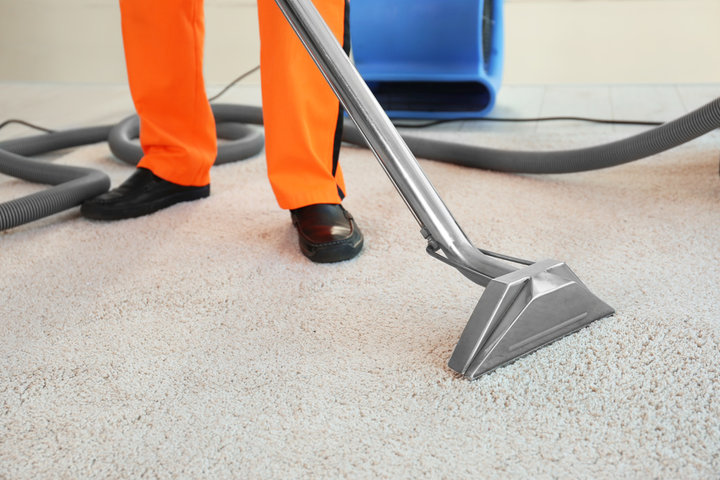
In this blog, we’ll break down what “habitable” really means, when it’s time to speak to a lawyer, and how tenants like you can protect themselves when landlords fall short.
If you’re living with water-damaged floors, moldy smells, or soaked carpets, you may be wondering, Is this even legal in Maryland? The answer depends on one crucial issue: tenant rights in Maryland. You have the right to live in a clean, safe, and habitable home. If your apartment is constantly wet, stinks of mildew, and causes you stress or health issues, those uninhabitable conditions could be a serious legal problem—and your landlord might be violating the law.
Let’s dive into what you need to know if your rental has turned into a soggy nightmare and how tenant rights in Maryland can protect you.
Understanding Tenant Rights in Maryland?
Tenant rights in Maryland are designed to protect you from living in dangerous or unhealthy housing. Your landlord has a duty to provide what’s legally known as a “habitable” home. That includes working plumbing, heat, and a clean, dry environment.
Soaked carpets, constant leaks, or foul odors from water damage? Those are clear signs your rental might be uninhabitable. Mold or dampness can affect your breathing, cause allergies, or even damage your belongings.
In short, your apartment isn’t just annoying—it could be illegal under Maryland’s warranty of habitability law.
When Your Rental Becomes Uninhabitable
The minute your home becomes unsafe or unsanitary due to flooding, broken AC units, or damp floors, you should take action. If you’ve complained to your landlord about the issue and nothing gets fixed, that’s a red flag.
We’ve seen cases where tenants had to mop several times a day just to walk safely through their home. Imagine half your carpet being soaked and unusable! That’s not normal—and tenant rights in Maryland say you don’t have to live that way.
Don’t wait until mold grows or your furniture gets ruined. Uninhabitable housing should never be ignored.
When Your Rental Becomes Uninhabitable
The minute your home becomes unsafe or unsanitary due to flooding, broken AC units, or damp floors, you should take action. If you’ve complained to your landlord about the issue and nothing gets fixed, that’s a red flag.
We’ve seen cases where tenants had to mop several times a day just to walk safely through their home. Imagine half your carpet being soaked and unusable! That’s not normal—and tenant rights in Maryland say you don’t have to live that way.
Don’t wait until mold grows or your furniture gets ruined. Uninhabitable housing should never be ignored.
Real Case, Real Results: $17,000 for a Leaky Apartment
Take one of our real-life Maryland landlord-tenant cases. A family moved into an apartment with a leaking AC unit. The water poured out daily, soaking the floor and making one bedroom totally unusable due to smell and mold.
It was a classic case of uninhabitable housing in Maryland. They had to mop constantly and couldn’t live comfortably in the space they were paying for.
Attorney Ben Akech, a skilled landlord-tenant lawyer in Maryland, took on the case. He successfully helped the tenant terminate the lease early and secured a $17,000 settlement. That’s the power of knowing your rights—and having the right legal help.
Ben has experience with cases involving uninhabitable conditions, wrongful eviction, and tenant harassment. He understands Maryland’s landlord-tenant laws inside and out and is ready to fight for tenants like you.
What To Do If You’re Living With a Leaky, Smelly Mess
If your floors are soaked, your carpet stinks, and your landlord won’t fix it, here’s what you should do right away:
-
Document everything – Take pictures and videos of the damage.
-
Send written complaints – Emails or texts to your landlord can serve as legal evidence.
-
Get medical help – If your health is affected, see a doctor and keep records.
-
Talk to a tenant lawyer – Don’t try to figure this out alone.
With the right legal advice and solid documentation, you can enforce your tenant rights in Maryland and possibly recover damages.
Final Thoughts: You Deserve Better Housing
If you’ve been dealing with uninhabitable conditions in Maryland, such as smelly carpets or water-damaged floors, you’re not alone—and you’re not powerless. Landlords must provide a clean and safe place to live. If they don’t, you can hold them accountable.
Thanks to Maryland tenant protections, and with help from skilled advocates like attorney Ben Akech, tenants have the power to fight back, break leases, and even recover damages. So don’t mop another floor without knowing your rights.


